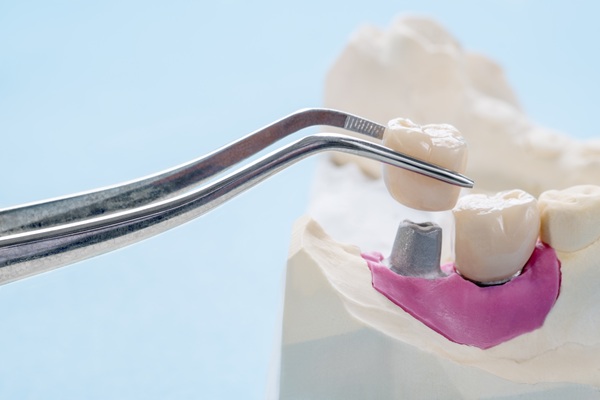
A dental crown is a long-lasting dental restoration that helps restore the strength, appearance, and function of a severely damaged tooth. While these restorations are strong, proper dental crown care ensures their durability and prevents potential complications. The following guidelines can help you preserve your newly restored tooth and maintain your long-term oral health.
3 Do's of dental crown care
1. Practice good oral hygiene habits
A dental crown covers most of a tooth, acting similarly to a hat that covers the top of one's head. However, it does not completely remove the risk of tooth decay or gum disease. The natural tooth beneath the crown and the surrounding gum tissue require regular cleaning.
Similar to natural teeth, patients with a new crown should brush their teeth at least twice a day and floss once a day. They will need to pay special attention to the gumline around the crown to prevent plaque buildup and inflammation. Additionally, rinsing afterward with an antibacterial mouthwash can reduce bacteria that can lead to decay or infection.
2. Schedule regular dental visits
Routine dental visits allow the dentist to monitor the dental crown and the supporting tooth structure. They can identify potential issues when they first appear, such as:
- Looseness
- Poor crown placement
- Uneven wear and tear
- Increased sensitivity
- Cracks, chips, and other visible damage
- Misaligned bite
- Gum discoloration or recession
During these check-ups, the dentist can perform professional cleanings to remove plaque and tartar that brushing and flossing cannot remove.
3. Protect the crown from potential damage
Dental crowns are made from strong and durable materials. However, it is possible to damage them with excessive force. Fortunately, protective measures can reduce the risk of premature damage. For example, wearing a nightguard is beneficial for those who grind or clench their teeth, particularly while they sleep. Similarly, active individuals can wear a mouthguard during contact sports to protect their teeth and the surrounding tissues.
3 Don'ts of dental crown care
1. Ignore discomfort or changes
Patients with a new dental crown should not ignore any pain, increased sensitivity, or change in their bite. These symptoms may indicate an issue with the crown's fit, a structural problem with the underlying tooth, or complications involving the surrounding soft tissue. When patients schedule concerns with a dental professional promptly, they can prevent further damage to their crown, ensuring it continues to provide comfort and support.
2. Use teeth as tools
Using teeth to open bottles, tear packaging, or hold items places unnecessary stress on a dental crown and the surrounding natural teeth. This habit can cause the crown to loosen, fracture, or fall out. Natural teeth and dental restorations alike are designed for chewing food, not being used as tools.
3. Consume an unhealthy diet
Specific foods and beverages can shorten the life of a dental crown. Sticky foods, such as caramel or taffy, can pull at the crown and loosen it over time, leaving the underlying tooth and surrounding soft tissues vulnerable to decay. Hard foods may cause chips or cracks in the dental crown. Additionally, excessive consumption of sugary or acidic drinks increases the risk of decay in the natural tooth and surrounding teeth beneath the crown.
Learn more about dental crown care
A dental crown is a valuable restoration that requires thoughtful care to remain effective for as long as possible. Would you like more tips to care for your new dental crown? Call Arc Advanced Dentistry & Cosmetics today to learn more or to schedule a follow-up appointment.
Request an appointment here: https://www.arcdentistry.com or call Arc Advanced Dentistry & Cosmetics at (516) 301-9038 for an appointment in our Long Beach office.
Check out what others are saying about our dental services on Yelp: Dental Crowns and Dental Bridges in Long Beach, NY.
Recent Posts
Dental crowns can treat many different concerns. They can repair damaged teeth, attach to dental implants for teeth replacement, and more. Two of the main types of dental crowns are metal and porcelain crowns. Both are effective solutions, but one may be preferable to another depending on the intended purpose.Your dentist should help you decide…
When a tooth needs to be restored, a dental crown is usually a great option. Restoring a tooth to good form involves the preparation of the tooth for the placement of the crown. Getting a crown is usually recommended because it can help restore your tooth to its normal shape, function, and look. Read on…
A dental crown is a cap for a damaged or decayed tooth. Crowns can be made from different kinds of materials, each with its own set of pros and cons. It is vital to learn as much as possible about the various dental crown materials. This will help you choose the right option that will…
Patients who have damaged teeth might want to consider getting a dental crown. One of the benefits of a dental crown is that it can protect the tooth and prevent extraction from being necessary. There are many kinds of materials, such as metal or porcelain crowns. Patients can also look for more natural options, which…