Fixed Dentistry for Dental Restoration – Dental Bridges
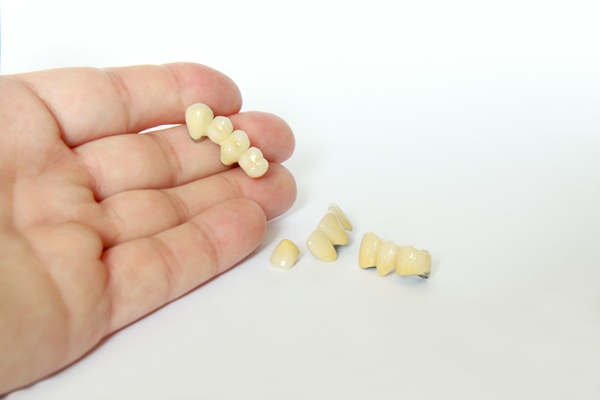
A bridge is a custom-made fixed dentistry restoration to fill the gap left by one or more missing teeth. The bridge restores dental function and helps preserve the appearance of your face. The dentist will recommend a suitable type of dental bridge based on the specific needs of the patient. This article covers what you need to know about the process.
Prosthodontics: Who needs a dental bridge?
Losing a tooth can be devastating. Teeth are designed to function together. When a tooth is missing, the teeth near the gap can shift or tilt into the gap. The teeth in the opposite jaw may also move awkwardly into the gap when biting or chewing. This can put undue stress on the jaw joint and teeth, potentially causing discomfort and damage.
It is harder to clean shifted or crooked teeth, placing them at higher risk of tooth decay and gum disease. Once a tooth is lost on the jaw, the jawbone may start to shrink without proper stimulation. If this occurs, it may alter the facial structure and make the person look older.
Placing a fixed bridge
A dental bridge in fixed dentistry allows the dentist to use the existing natural teeth on the two sides of the gap to hold the new tooth in place. Fitting a patient with a bridge typically takes more than one dental appointment.
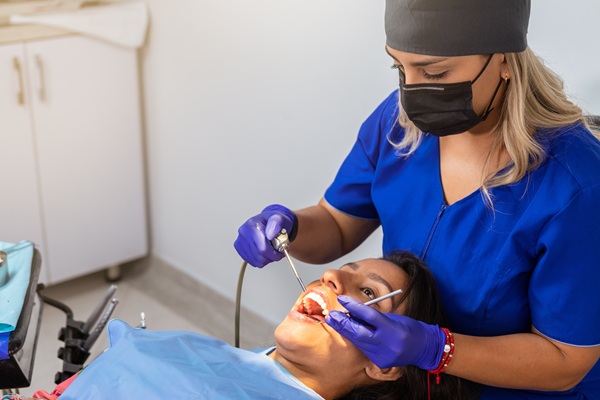
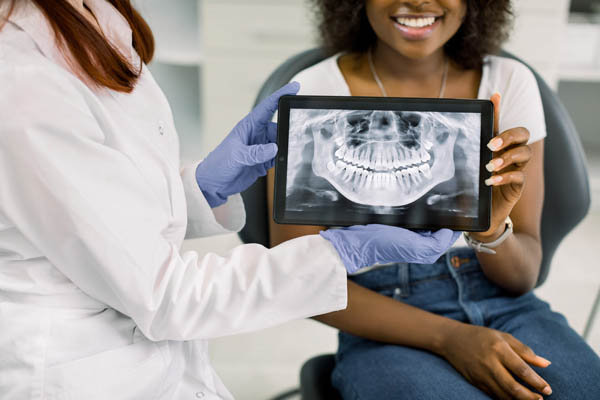
During the first appointment, the dentist will prepare the teeth on both sides of the missing tooth. The bridge will get support from these teeth. Impressions or digital images of the teeth and gap will be taken. The information will be sent to a dental laboratory where the technicians will use that to produce the dental bridge. The bridge can be produced from metal, ceramics or a combination of both materials. The dentist will discuss the most suitable option during the appointment.
While waiting for the completion of the final bridge, the dentist will fit the patient with a temporary bridge to protect the prepared teeth. When the permanent bridge is ready, the patient will return for a second appointment. The dentist will fit and adjust the bridge as necessary before cementing the bridge permanently. The bridge is fixed and can only be taken out by a dental professional.
Caring for the dental bridge
The dental bridge may fail if the supporting teeth or jawbone get infected by dental disease. Patients need to take oral hygiene routines seriously to maintain good oral health. Tips for caring for bridges include:
- Brush the teeth twice daily and clean between the teeth with floss; brushing and flossing help clean plaque (a sticky bacterial film) from the surface and between the teeth
- Clean under the bridge; there are dental tools to make the process easy, and patients can ask their dentist for recommendations
- Visit the dentist regularly for dental exams and professional teeth cleaning
- Consume a healthy diet, and reduce intake of sticky and sugary treats
Final note
Dental bridges are indirect restorations in fixed dentistry and are designed to be permanent replacements for missing teeth. If you have a missing tooth, talk to the general dentist to discuss your options.
Get more information here: https://www.arcdentistry.com or call Arc Advanced Dentistry & Cosmetics at (516) 301-9038
Check out what others are saying about our services on Yelp: Read our Yelp reviews.
Recent Posts
A dental bridge can replace missing teeth, restore chewing support, and help keep the smile balanced. This restoration uses crowns and artificial teeth to fill a gap and usually attaches to nearby natural teeth or dental implants for support. While timelines can vary, partnering with our dentist can help extend your bridge's lifespan.The lifespan of…
Dental cleanings are an essential part of maintaining good oral health. However, there are other actions patients can take to maintain a healthy smile in between these visits. Brushing and flossing are a foundation of oral hygiene but are just a start. The following simple and practical tips can make for a healthier, more beautiful…
Many individuals ask cosmetic dentists whether at-home whitening can deliver noticeable results for their smile. While the answer is yes under certain conditions, effectiveness depends on the method used, the type of stain, and the consistency of treatment. Not all over-the-counter choices provide the same level of safety, comfort, or long-term success when you want…
Are you trying to choose between clear braces or aligners? When considering teeth straightening treatment, many individuals want to find a balance between discreet treatment and predictable, long-lasting dental results. If you are ready for a better-aligned smile, the following highlights five important distinctions between these two options and how they can affect your daily…