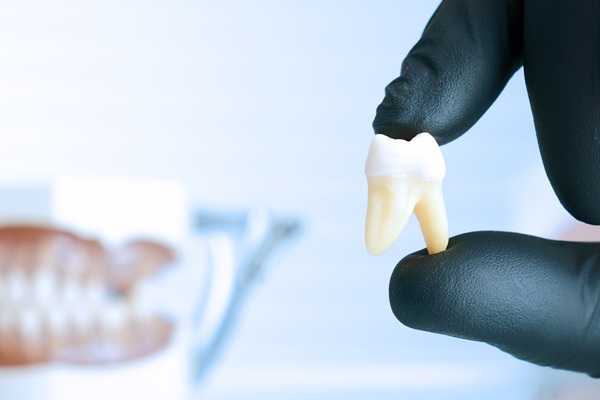
A requires careful aftercare, particularly in the first few days when the socket starts forming a protective blood clot. This clot protects the bone and nerves underneath the extraction site as it heals. Patients often ask when they can drink alcohol or enjoy their favorite foods again. The dentist will provide specific instructions tailored to the patient and their unique smile, but learning the basics can help you prepare for the entire process.
When is it okay to drink alcohol after a tooth extraction?
According to Colgate, it is not recommended to drink alcohol until the extraction site heals. For most, this means waiting seven to 10 days. The dentist can provide more detailed recommendations. Still, the first couple of days are the most important because the body is working to control bleeding and protect the socket. Alcohol can interfere with this process by increasing the risk of bleeding, drying out the mouth, and slowing the body’s natural healing response. Even a small amount may irritate the area before the tissue has had time to stabilize.
Medication interactions and other risks
Alcohol can also create safety concerns when pain medication or antibiotics are part of the recovery plan. Many patients are prescribed medication after a tooth extraction to reduce discomfort or prevent infection. Mixing alcohol with these medications can cause dizziness, drowsiness, nausea, or other unwanted effects. For this reason, patients should wait until they are no longer taking these medications and the dentist says it is safe to drink again.
Dry socket is another reason to be cautious. This painful condition can happen when the blood clot becomes dislodged or does not form properly. Without that clot, the socket becomes exposed, and healing may slow down. Avoiding alcohol, smoking, and aggressive rinsing can help protect the clot during the earliest stage of recovery.
What should I drink after a tooth extraction?
Water is the best drink of choice after a tooth extraction. This is because staying hydrated supports healing and keeps the mouth from feeling too dry. Milk, milkshakes, and smoothies are other good options; their coolness can even soothe the mouth. However, make sure not to use a straw. The suction from a straw can pull on the blood clot, increasing the risk of dry socket.
Eating after a tooth extraction: What to expect
Patients can expect the mouth to feel tender after a tooth extraction, and many will find it difficult to eat normally in the first 24 to 48 hours. For the first day or so, stick to a diet of yogurt, applesauce, or lukewarm broth. For the next couple of days, try to eat soft foods that require little chewing. Common options include scrambled eggs and mashed potatoes.
Patients can gradually reintroduce more solid foods into their diet, as comfort allows. By about day four or five, most can eat soft solids (think rice and pasta). Some can manage tender meats, cooked vegetables, and soft bread. In most cases, patients can expect to be eating as usual in about seven to 10 days.
Have more tooth extraction questions?
Patients can expect to eat and drink as usual once the extraction site heals. For most, this takes about seven to 10 days. For personalized guidance, contact Arc Advanced Dentistry & Cosmetics.
Request an appointment here: https://www.arcdentistry.com or call Arc Advanced Dentistry & Cosmetics at (516) 301-9038 for an appointment in our Long Beach office.
Check out what others are saying about our dental services on Yelp: .
Recent Posts
A tooth extraction involves removing damaged, decayed, or impacted teeth. While recovery is usually straightforward, complications can happen. For instance, dry socket is a condition that occurs when the protective blood clot at the extraction site is dislodged or dissolves too soon, exposing the underlying bone and nerves. Fortunately, dry socket is preventable with proper…
No one looks forward to tooth extraction, but sometimes it is necessary for a person's oral health. This is often the case with the last adult teeth to erupt, the wisdom teeth. Many people need to have one or more of their wisdom teeth removed because they are not coming in right, there is not…
Tooth extraction is a safe, relatively quick procedure. Still, it’s a good idea to understand the procedure and prepare for it as best as possible. This will make both the procedure and the post-surgical recovery go as smoothly as possible. The dentist or surgeon performing the surgery will likely want to know your medical history beforehand.…
Tooth extraction, or dental extraction, is the removal of a tooth from the mouth. There are many different reasons that a dentist may recommend tooth extraction, and it can be performed on any tooth inside the mouth. It is helpful to understand why a dentist may recommend it and how it can help your long-term…